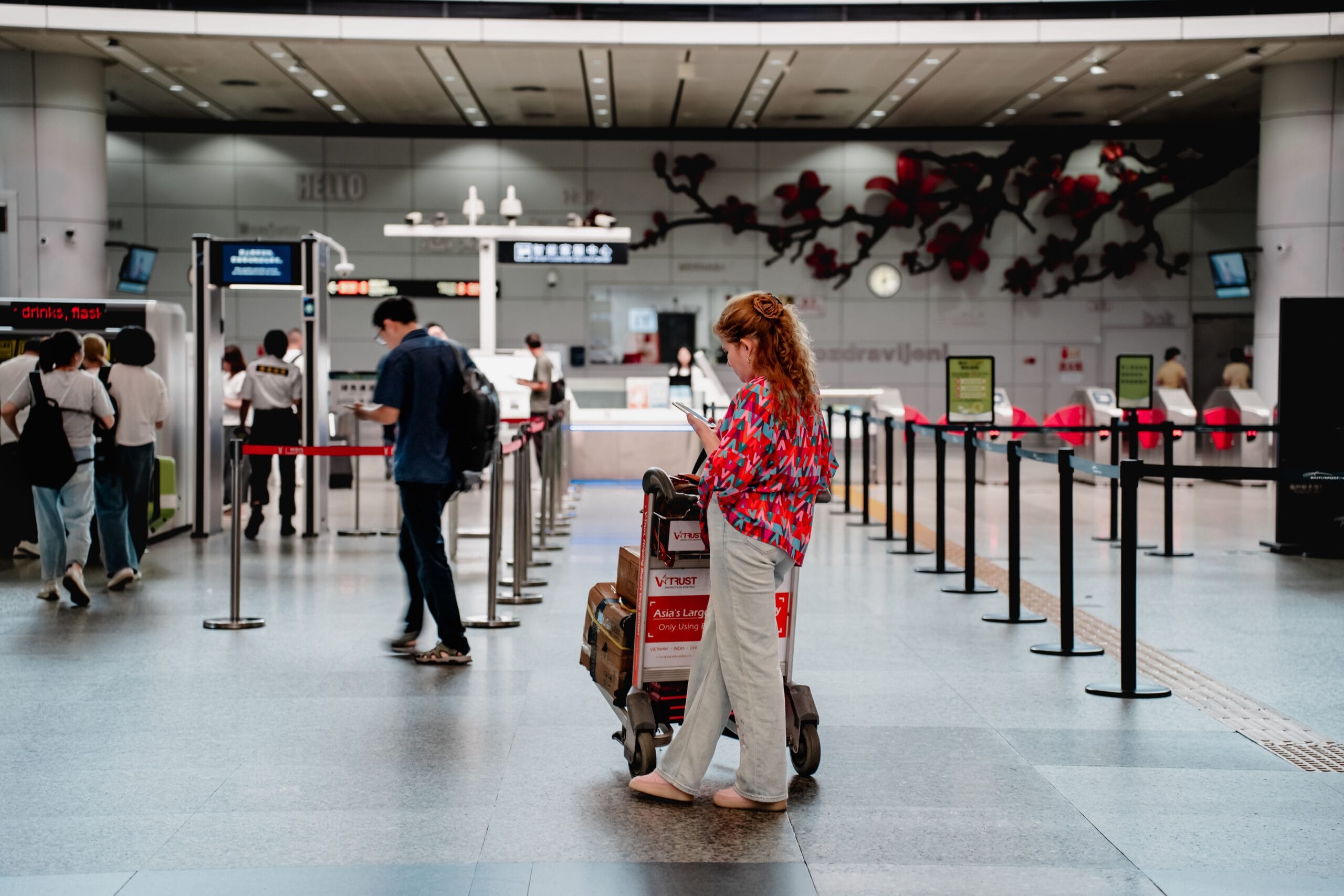
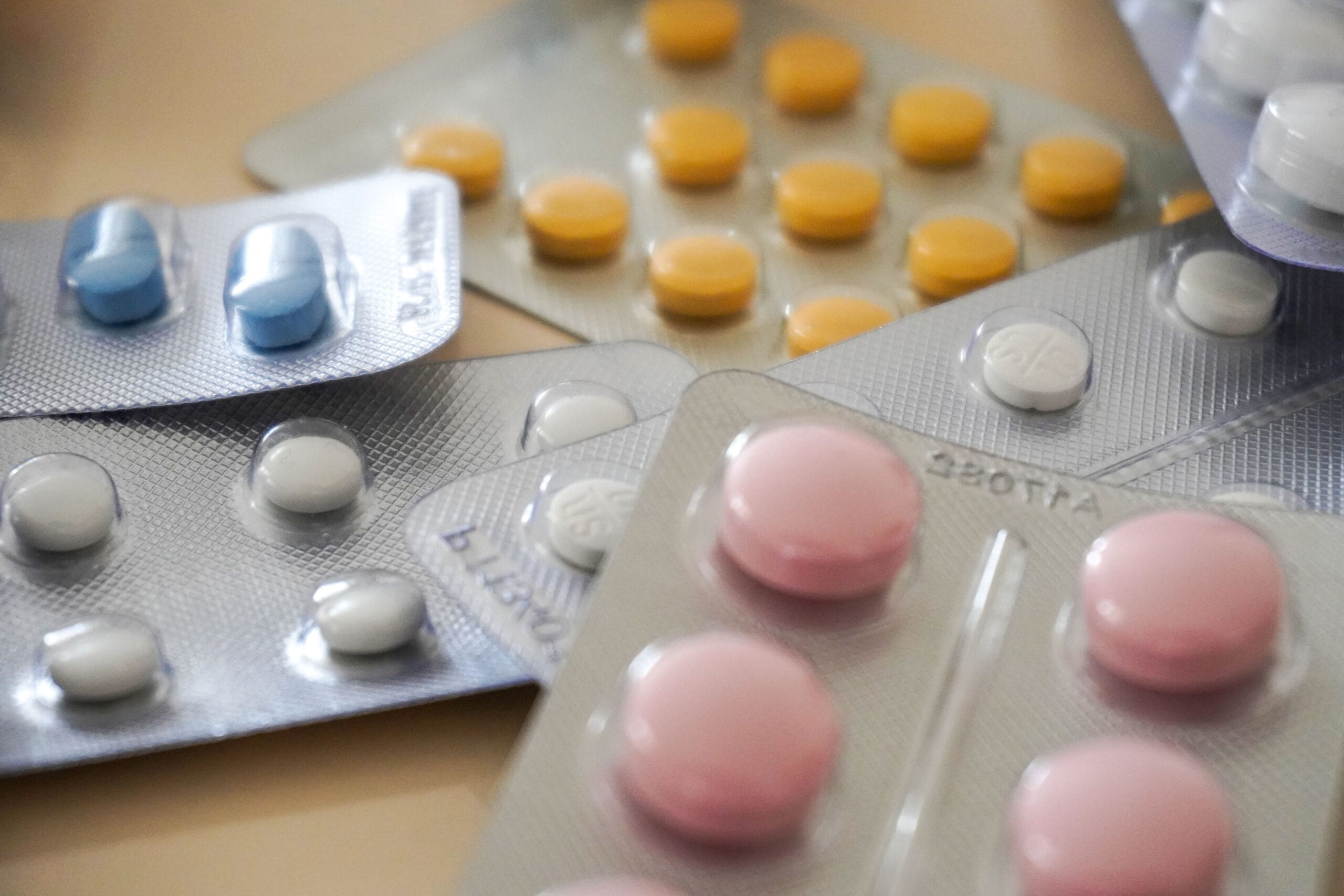
Some medications that are routine and legal at home are controlled or prohibited in other countries. This includes certain painkillers, ADHD medications, cold and flu tablets, sleeping tablets and medicinal cannabis. Checking before you fly can avoid a serious problem on arrival, ranging from confiscation to detention, depending on the country and the medicine.
This guide covers which types of medication are most often restricted, examples from popular destinations, and how to check your own medication before you travel, with pointers for travellers from Australia, the US and the UK.
A note on what this is: Practical travel guidance, not medical or legal advice. Rules change and differ by country, so confirm the current position for your medication with the destination’s official health authority or embassy, and speak to your doctor or pharmacist about alternatives.
Why a Prescription Isn’t Always Enough
A valid prescription from your home country proves the medicine was prescribed to you. It does not make the medicine legal overseas. The US Department of State warns that entering a country with a prescription medication, even one legally obtained in the United States, could be illegal and result in detention or arrest. UK travel health guidance makes a related point: medication that looks the same in another country can contain a different amount or type of active ingredient.
Border rules generally look at the active ingredient, not the brand name and not whether the product is sold over the counter at home. A cold and flu tablet from a pharmacy in any of these countries can contain an ingredient that is restricted elsewhere.
A doctor’s letter helps show that a medicine is yours, but it cannot make a prohibited medicine legal. See our guides on Doctor’s Letters: What They Should Say and Carrying Medication Legally for how documentation fits alongside these rules.
Medications Most Often Restricted
These types of medicine are commonly prescribed in Australia, the US and the UK, which is why they catch so many travellers out.
Codeine and other strong pain relievers
Codeine and other opioid-based painkillers are controlled in many countries. For example, in Japan, medicines classed as narcotics need advance permission from the Narcotics Control Department, and in the United Arab Emirates (UAE) controlled medicines need approval from the Ministry of Health and Prevention before travel. Singapore also requires prior approval depending on the active ingredients in a medicine. UK travel health guidance lists codeine, morphine, fentanyl and methadone among controlled drugs that can need licences to move across borders.
ADHD medications
Stimulant-based ADHD medicines are among the most heavily restricted. Japan prohibits amphetamine-based ADHD medicines such as Adderall and dexamphetamine, and travellers have been detained for carrying them even with a prescription. Other stimulants are treated separately by ingredient and quantity. Some ADHD medicines are also illegal in Indonesia, and other countries treat these medicines as controlled and require permits and documentation.
Cold and flu medicines containing pseudoephedrine
Pseudoephedrine, found in some cold, flu and sinus products, is restricted in Japan. Depending on the product and quantity, it can need an import certificate or be prohibited above an allowed amount of the ingredient. Check the active ingredients on the label, not just the brand.
Sleeping tablets and anti-anxiety medicines
Many sedative and anti-anxiety medicines are classed as psychotropic or controlled substances. Singapore, for example, requires approval before you bring in medication containing controlled drugs or psychotropic substances.
Medicinal cannabis
Medicinal cannabis that is legal at home can be illegal overseas. Singapore prohibits cannabis at any time, including for travellers who are only transiting and do not clear immigration, and medicinal cannabis is illegal in Indonesia. The US Department of State specifically advises checking that medications are allowed, particularly prescriptions for medical marijuana.
Examples From Popular Destinations
Please note: These are examples, not a complete list, and each country’s rules can change.
Japan
Importing medication into Japan is regulated by the Ministry of Health, Labour and Welfare. Depending on the type and amount, you may need an import certificate called a Yunyu Kakunin-sho, obtained before you leave and declared to customs on arrival. Japan-focused travel guidance commonly puts the threshold at more than one month’s supply of prescription medicine, and reports that items such as syringes, pumps and CPAP machines can also require one. Applications should be made at least two weeks before travel. Narcotic medicines need separate advance permission.
Singapore
The Health Sciences Authority allows up to three months’ supply if no approval is needed and the medication is not prohibited, in its original labelled packaging with a copy of your prescription or a doctor’s letter. Medication containing controlled drugs or psychotropic substances needs approval, which should be applied for at least two weeks before arrival. Cannabis and chewing gum are not allowed at any time, even in transit.
United Arab Emirates
Travellers must carry a prescription for the quantity of medicine they bring. Controlled medication needs approval through the Ministry of Health website before travel, while other prescription and over-the-counter medication does not need prior approval.
Indonesia
Some ADHD medicines and medicinal cannabis are illegal in Indonesia, so check with the Indonesian Embassy before you go.
How to Check Your Own Medication
Find out the active ingredient
Ask your pharmacist or doctor for the generic (active ingredient) name of each medicine you take, including over-the-counter products. Brand names differ between Australia, the US and the UK, and the same brand can contain different ingredients in different countries, so the active ingredient is what border authorities look at.
Check the destination’s official rules
Use the destination’s health authority and embassy as your main source. Examples include Japan’s Ministry of Health, Labour and Welfare, Singapore’s Health Sciences Authority and the UAE Ministry of Health and Prevention. The International Narcotics Control Board also publishes country information for travellers carrying controlled medicines.
Use your own government’s travel advice
Travellers from Australia can check Smartraveller‘s destination advice. Travellers from the US can check the State Department’s travel advice (to contact the embassy of the country you are visiting or passing through). Travellers from the UK can check the Foreign, Commonwealth & Development Office (FCDO) country travel advice and TravelHealthPro, which both advise contacting the destination’s embassy or high commission.
Check every country on your route
Rules can apply at a transit stop as well as at your destination. Singapore’s cannabis ban, for example, applies to transit passengers.
Check the rules for leaving home
Controlled medicines can also need permission to leave your home country. Australia’s Office of Drug Control requires permission to export controlled substances. In the UK, a personal export licence may be needed for larger quantities of controlled drugs, usually three months’ supply or more, and UK guidance suggests applying at least 10 days before travel. In the US, controlled substances are regulated by the Drug Enforcement Administration (DEA), so confirm the position with your doctor or pharmacist. See our guide on Carrying Medication Legally for the entry and exit rules for Australia, the US and the UK.
Apply for permits early
Permit processes can take time. Both Japan and Singapore suggest applying at least two weeks before travel, and allowing more time is safer.
If Your Medication Is Restricted or Banned
Ask about a permit
Some countries allow controlled medicines with advance approval. Check whether a permit is available and what documentation it needs.
Ask your doctor about alternatives
If a medication is prohibited at your destination, your doctor may be able to suggest a different medication that is allowed, or a plan for the length of your trip. Do this well before departure, not at the airport.
Do not use posting as a workaround
Posting or couriering restricted medicine ahead of you can breach import rules and can cause more problems, not fewer. For example, a US Department of State-backed security report describes a US citizen who was held for 18 days in Japan after prescription Adderall was shipped there and repackaged from its original container.
Consider whether the trip is workable
For some people, especially with medication that is completely banned at a destination, it may be worth discussing with your doctor whether a different destination or route is more practical.
If something goes wrong overseas
If medication is confiscated or you are questioned by authorities, stay calm, do not argue, ask for written documentation of anything taken, and contact your nearest embassy, consulate or high commission. Consular staff can offer help, but they cannot override the law of the country you are in. See our guide on What to Do If You Run Out or Lose Medication Overseas.
Before You Travel
Make a list
List every medication you take, including over-the-counter products and supplements, with the generic name of each.
Check each one against each country on your route
Destination and transit countries, using the official sources above.
Get any permits or approvals in advance
And carry copies with your medication.
Carry your paperwork
Original packaging, prescription, a doctor’s letter and any permits, in your hand luggage.
Check your travel insurance
Confirm your policy covers your medical needs and read the fine print on medication. Read our Travel Insurance and Pre-Existing Conditions guide for what to check before you buy.
FAQs
Which medications are banned in other countries?
It depends on the country. Medicines most often restricted include codeine and other strong pain relievers, stimulant-based ADHD medicines, cold and flu tablets containing pseudoephedrine, sleeping and anti-anxiety medicines, and medicinal cannabis.
Do the rules depend on whether I am travelling from Australia, the US or the UK?
The destination’s rules apply whichever country you are from. What differs is the checking you do at home: Smartraveller for Australians, the State Department for US travellers, and FCDO and TravelHealthPro for UK travellers, plus any licence or permission needed to take a controlled medicine out of your home country.
Can I take ADHD medication overseas?
Sometimes, but rules vary widely. Japan prohibits amphetamine-based ADHD medicines such as Adderall and dexamphetamine even with a prescription, some ADHD medicines are illegal in Indonesia, and other countries require permits. Check your specific medicine with the destination’s official health authority before you go.
Can I take codeine overseas?
Codeine is controlled in many countries. Japan, the UAE and Singapore all require advance permission or approval for controlled medicines, so check the rules for your destination well ahead of travel.
Can I take cold and flu tablets overseas?
Check the active ingredients. Products containing pseudoephedrine are restricted in Japan, and other countries have their own rules on ingredients in cold and flu products.
Does a prescription make a restricted medicine legal?
No. A prescription and a doctor’s letter help show that a medicine is yours, but they do not make a medicine legal in a country that prohibits it.
How far in advance should I apply for a medication permit?
Japan and Singapore both suggest at least two weeks before travel. Allow more time where you can, since processes vary.
Are transit stops covered by the same rules?
They can be. Rules can apply at any country where you pass through customs, and some prohibitions, such as Singapore’s ban on cannabis, apply even to transit passengers.
Can I post my medication to my destination?
Posting restricted medicine can breach import rules, so it is not a safe workaround. Check the rules for your destination and speak to your doctor about alternatives.
Final Thoughts
Whether a medication is legal overseas depends on its active ingredient and the country you are travelling to or through, not on whether it is routine at home in Australia, the US or the UK. The details that matter most are identifying the generic name of every medicine you take, checking the destination’s official rules early, applying for any permits in advance, and speaking to your doctor about alternatives if something is restricted. A prescription and doctor’s letter support your case, but they cannot make a banned medicine legal.
A note on what this is: Practical travel guidance, not medical or legal advice. Always confirm the current rules for your medication and destination before you travel.
For more on getting medication through a trip, read our guides on carrying medication legally, doctor’s letters, and what to do if you run out or lose medication overseas.