This guide contains affiliate links. See our Site Policies for details.
A standard travel first aid kit covers plasters, painkillers, and the basics most healthy travellers need. Managing a health condition while travelling means thinking beyond that, building a kit around your specific condition, medications, and the realistic scenarios you might actually face.
This guide covers what to include, organised by general essentials and condition-specific additions, so you can build a kit that genuinely fits your situation rather than following a generic list.
A note on what this is: This is practical travel guidance, not medical advice. Discuss specific kit contents with your doctor if you have a complex or unstable condition, particularly around emergency medications.
General Essentials, Regardless of Condition
Your regular medications, with a buffer supply
More than your trip length strictly requires, to account for delays or an extended stay. Read our guide on medication across time zones for timing adjustments during travel.
A doctor’s letter
Covering your diagnosis, medications with generic names, and any devices you use. Read our guide on doctor’s letters for travel for exactly what it should include.
Device identification cards
For pacemakers, ICDs, or other implanted devices, kept accessible rather than in checked luggage.
Original medication packaging
With pharmacy labels intact, rather than repackaged into a general pill organiser, particularly important for international travel.
A basic first aid supply
Plasters, antiseptic wipes, and any over-the-counter medication you’d normally reach for, such as pain relief or antihistamines, checked against your specific condition for any interactions.
Condition-Specific Additions
For cardiac devices (pacemakers, ICDs)
A device identification card and, for international travel, a letter specifically noting any airport security considerations. Read our guide on flying with a pacemaker or ICD for more detail.
For diabetes
An insulin cooling case if you use insulin. Two solid options: the Apollo Walker, an ice-pack-based case that’s simple to use, or the FRIO wallet, which uses evaporative cooling instead of ice, handy for longer trips or destinations without easy access to a freezer. Also pack: a sharps disposal container for used needles or lancets, glucose tablets or another fast-acting carbohydrate for hypoglycaemia, and extra testing supplies. Read our guide on travelling with diabetes for the full picture.
For sleep apnoea and CPAP use
Your CPAP machine and mask in carry-on, spare filters (check compatibility with your specific model, this link is for ResMed AirSense machines), and either distilled water or a travel CPAP using humidity discs.
For COPD
A pulse oximeter to self-monitor oxygen saturation, your rescue inhaler kept accessible, and, if relevant, documentation for a portable oxygen concentrator. Read our guide on flying with COPD for more on oxygen planning.
For chronic kidney disease and dialysis
Comprehensive documentation covering your treatment history and dialysis prescription, organised in an accessible bag rather than mixed in with general luggage. Read our guide on flying with chronic kidney disease and dialysis for the full planning process.
What to Leave Out
Anything you don’t genuinely need
A kit that’s too bulky becomes a kit that doesn’t get carried properly. Build around your actual condition and realistic scenarios, not a worst-case list that adds weight and complexity for little real benefit.
Medications you’re not currently taking “just in case”
Carrying unfamiliar or unused medication, particularly prescription medication, can create genuine problems at international borders. Stick to what you’re actually taking.
Organising Your Kit
A dedicated bag or pouch
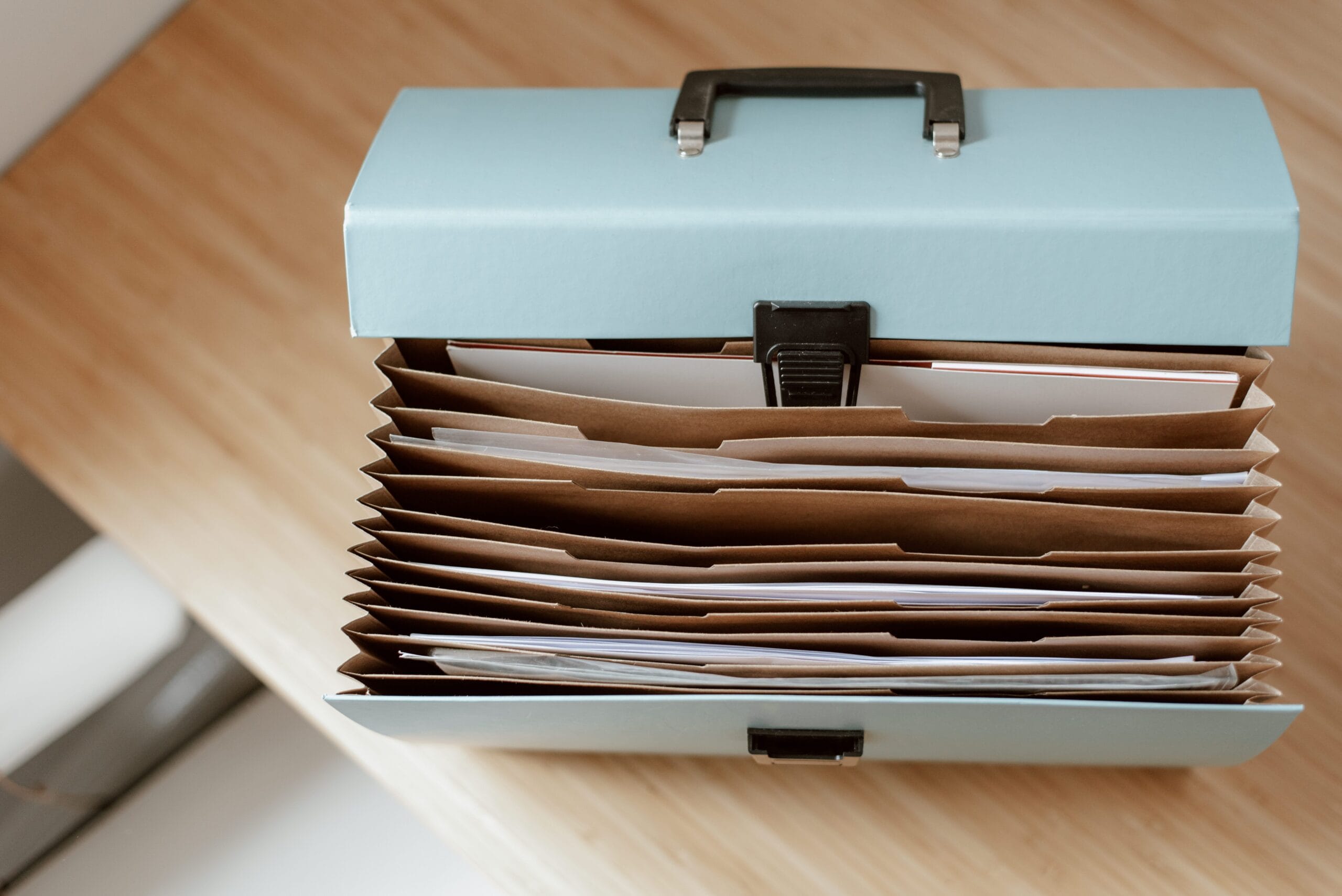
Keep medical items together rather than scattered through general luggage, so everything is findable quickly if needed. A multi-compartment organiser works well for anyone managing several medications or pieces of documentation.
Keep it in carry-on, not checked luggage
This applies to medication, devices, and documentation. Checked luggage can be delayed, lost, or exposed to temperature extremes that damage some medications.
A duplicate, smaller kit for day trips or shore excursions
If you’re away from your main luggage for an extended period, a smaller version covering the essentials, medication, a device card, and any emergency supplies, is worth having separately.
Before You Travel
Review your kit against your specific itinerary
A short domestic trip needs less than an extended international trip with limited access to familiar pharmacies or healthcare.
Check medication legality at your destination
Some common medications are restricted or controlled in certain countries. Check well ahead of travel rather than discovering an issue at your destination.
Confirm your travel insurance covers your specific condition
Read our guide on travel insurance and pre-existing conditions for what to check before you buy.
FAQs
What should I pack in a travel medical kit if I have a chronic health condition?
Beyond standard first aid basics, include your regular medications with a buffer supply, a doctor’s letter, any relevant device documentation, and condition-specific items such as an insulin cooling case, pulse oximeter, or CPAP supplies depending on your situation.
Should I carry my medical kit in carry-on or checked luggage?
Carry-on, always. Checked luggage can be delayed, lost, or exposed to temperature extremes that can damage medication or affect device function.
Do I need a doctor’s letter for my travel medical kit?
Strongly recommended, particularly for international travel or if you’re carrying prescription medication, devices, or larger quantities of supplies. It smooths airport security and helps if you need care while away.
How much medication should I pack for a trip?
More than your trip length strictly requires, to account for delays or an extended stay. Discuss specific quantities with your doctor based on your medication and itinerary.
Should I pack medication I’m not currently taking, just in case?
Generally not recommended. Carrying unfamiliar or unused prescription medication can create genuine problems at international borders. Stick to what you’re actually currently taking.
Final Thoughts
A genuinely useful travel medical kit is built around your specific condition and realistic scenarios, not a generic list applied uniformly. The details that matter most are keeping everything in carry-on, carrying proper documentation alongside your medication, and packing enough of a buffer supply to handle delays without genuine concern.
A note on what this is: This is practical travel guidance, not medical advice. Discuss specific kit contents with your doctor if you have a complex or unstable condition.
For more on travel preparation, read our guides on doctor’s letters for travel and medication across time zones.